

Cannon Street Dental & Implant Centre
Lower Ground, 6 Dowgate Hill, London, EC4R 2SU
Lower Ground, 6 Dowgate Hill, London, EC4R 2SU
Most people think of dental appointments as purely cosmetic: keeping your smile bright and your breath fresh. However, your mouth functions as a window into your overall health, offering early warning signs of conditions ranging from diabetes to heart disease. The relationship between what happens in your mouth and the rest of your body is far more interconnected than you might realise.
Key Takeaways:
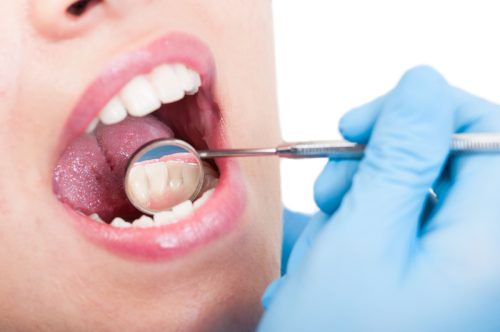
Oral health affects overall health through the direct pathway between your mouth and the rest of your body. Your mouth harbours hundreds of bacterial species, most of which are harmless under normal circumstances. When oral hygiene deteriorates, however, harmful bacteria can multiply and cause infections that don’t stay localised to your teeth and gums.
These bacteria can enter your bloodstream through inflamed or bleeding gums. Once in circulation, they travel throughout your body and trigger inflammation in other organs and systems. This process explains why researchers have found connections between periodontal disease and seemingly unrelated conditions like stroke, respiratory infections, and pregnancy complications.
The mouth-body connection describes the bidirectional relationship between oral health and systemic health. Your mouth isn’t an isolated system. It’s intimately connected to every other part of your body through blood vessels, nerves, and the digestive tract.
Inflammation plays a starring role in this connection. When gum disease causes chronic inflammation in your mouth, your body produces inflammatory markers that circulate throughout your system. These same markers are implicated in heart disease, arthritis, and other inflammatory conditions.
Your saliva also provides diagnostic clues. Doctors can detect markers for various diseases—including some cancers and autoimmune disorders—simply by analysing saliva samples.
Gum disease can indeed contribute to heart problems, though the exact mechanisms are still being researched. Studies have shown that people with periodontal disease have a significantly higher risk of developing cardiovascular disease compared to those with healthy gums.
The bacteria responsible for gum infections have been found in arterial plaque. When these oral bacteria enter the bloodstream through diseased gums, they can attach to blood vessels and contribute to clot formation. They may also cause inflammation in the heart’s lining, a condition called endocarditis.
Read more: Are Missing Teeth Affecting Your Health? Exploring Comprehensive Dental Implant Solutions
Beyond heart disease, numerous conditions share a concerning relationship with oral health and overall health. Understanding these connections can motivate better dental care habits.
The relationship between diabetes and gum disease is particularly strong. Diabetics are more susceptible to gum infections, and severe gum disease can make blood sugar harder to control. Regular dental hygiene appointments become especially important for diabetic patients, as controlling oral inflammation helps stabilise blood glucose levels.
Bacteria from infected teeth and gums can be inhaled into the lungs. This is particularly concerning for elderly people or those with compromised immune systems, as it can lead to pneumonia and worsen existing respiratory conditions like COPD.
Pregnant women with periodontal disease face higher risks of premature birth and low birth weight babies. The inflammatory response triggered by gum disease can affect foetal development, making oral hygiene throughout pregnancy a genuine health priority.
This bone-weakening disease affects both jawbones and the rest of the skeleton. Tooth loss can be an early indicator of osteoporosis, particularly in post-menopausal women.
Your mouth provides numerous warning signs when something isn’t right. Bleeding gums during brushing or flossing often indicate gingivitis, the earliest stage of gum disease. Healthy gums shouldn’t bleed.
Persistent bad breath that doesn’t improve with brushing might signal gum disease or digestive issues. Loose teeth or receding gums suggest bone loss, which could relate to osteoporosis or advanced periodontal disease. Changes in your mouth’s appearance also warrant attention. White patches could indicate oral thrush (common in diabetics), whilst slow-healing sores might signal diabetes or immune problems.
Your daily dental routine deserves the same attention you give to diet and exercise. Brushing twice daily and flossing once daily aren’t just about preventing cavities—they’re investments in your cardiovascular health and immune function.
Brush for two minutes, ensuring you reach all tooth surfaces. Many people rush this process, missing areas where bacteria accumulate. Flossing removes bacteria and food particles from areas your toothbrush can’t reach—roughly 40% of tooth surfaces.
Read more: Maintain Oral Health with Hygienist Visits
Yes, you should reconsider dental appointments as comprehensive health screenings rather than just tooth cleanings. Your dentist can spot early signs of diabetes, vitamin deficiencies, acid reflux, and eating disorders during a routine examination.
Regular check-ups at Cannon Street Dental allow professionals to track changes over time. Professional cleanings remove calculus (hardened plaque) that you can’t eliminate at home, keeping bacterial populations under control.
Certain lifestyle modifications benefit both your mouth and your body simultaneously. Diet ranks among the most influential factors, as sugar feeds harmful oral bacteria and contributes to inflammation throughout your body.
| Beneficial Habits | Impact on Oral Health | Impact on Overall Health |
| Reducing sugar intake | Fewer cavities, less bacterial growth | Lower diabetes risk, reduced inflammation |
| Drinking water | Washes away food particles, stimulates saliva | Hydration, kidney function |
| Eating crunchy vegetables | Natural teeth cleaning, gum stimulation | Fibre, vitamins, digestive health |
| Avoiding tobacco | Prevents gum disease and oral cancer | Reduced cancer risk, better heart health |
| Limiting alcohol | Prevents dry mouth and tissue damage | Liver health, reduced cancer risk |
Staying hydrated supports saliva production, which is your mouth’s natural defence system. Saliva neutralises acids, washes away bacteria, and contains antibodies that fight infection.
Stress management also matters. Chronic stress weakens your immune system, making you more susceptible to gum disease. It can also lead to teeth grinding (bruxism), which damages teeth and can cause jaw disorders.
Read more: Mastering Oral Health: Innovative Techniques in Dentistry
Many common medications produce oral side effects that impact overall health if left unaddressed. Dry mouth represents one of the most common side effects, occurring with antihistamines, blood pressure medications, and antidepressants. Without adequate saliva, your risk of cavities and gum disease increases substantially.
Some medications cause gum overgrowth, particularly certain seizure medications and calcium channel blockers. This excess tissue traps bacteria and makes cleaning difficult. Regular professional cleanings become even more important if you take these medications.
Yes, brushing properly twice daily can improve your overall health by reducing the bacterial load in your mouth and decreasing systemic inflammation. Studies show that people who brush regularly have lower rates of cardiovascular events. The key is thorough brushing for two minutes, reaching all tooth surfaces and the gum line.
Gum disease can affect other body systems within weeks to months of developing chronic inflammation. The bacteria and inflammatory markers from diseased gums enter your bloodstream continuously, creating ongoing stress on your cardiovascular and immune systems. Early-stage gum disease is reversible, making prompt treatment important.
Oral health significantly impacts mental health through multiple pathways. Pain from dental problems affects sleep, concentration, and mood. Poor oral health can lead to social anxiety and reduced self-esteem due to concerns about appearance and breath.
Electric toothbrushes are generally more effective at removing plaque and reducing gingivitis compared to manual brushing. The oscillating or sonic movements clean more thoroughly with less effort, which benefits people with arthritis or limited dexterity.
Children’s oral health can indeed predict certain future health problems. Early childhood cavities correlate with higher rates of cavities in adulthood and may indicate dietary patterns that increase diabetes risk. Establishing good oral hygiene habits early creates a foundation for better overall health throughout life.
Your mouth provides valuable insights into your overall well-being, serving as both an early warning system and a contributor to systemic health. The connection between oral bacteria, inflammation, and conditions like heart disease and diabetes reflects the integrated nature of your body’s systems. Small daily habits like thorough brushing and flossing, combined with regular professional care, protect far more than just your smile.
At Cannon Street Dental, we understand that comprehensive dental care means looking beyond isolated symptoms to see the bigger picture of your health. Our team provides thorough examinations that can identify potential problems before they develop into serious conditions. Book your appointment today to take a proactive approach to your well-being, starting with the health of your mouth.
 020 8075 7106